
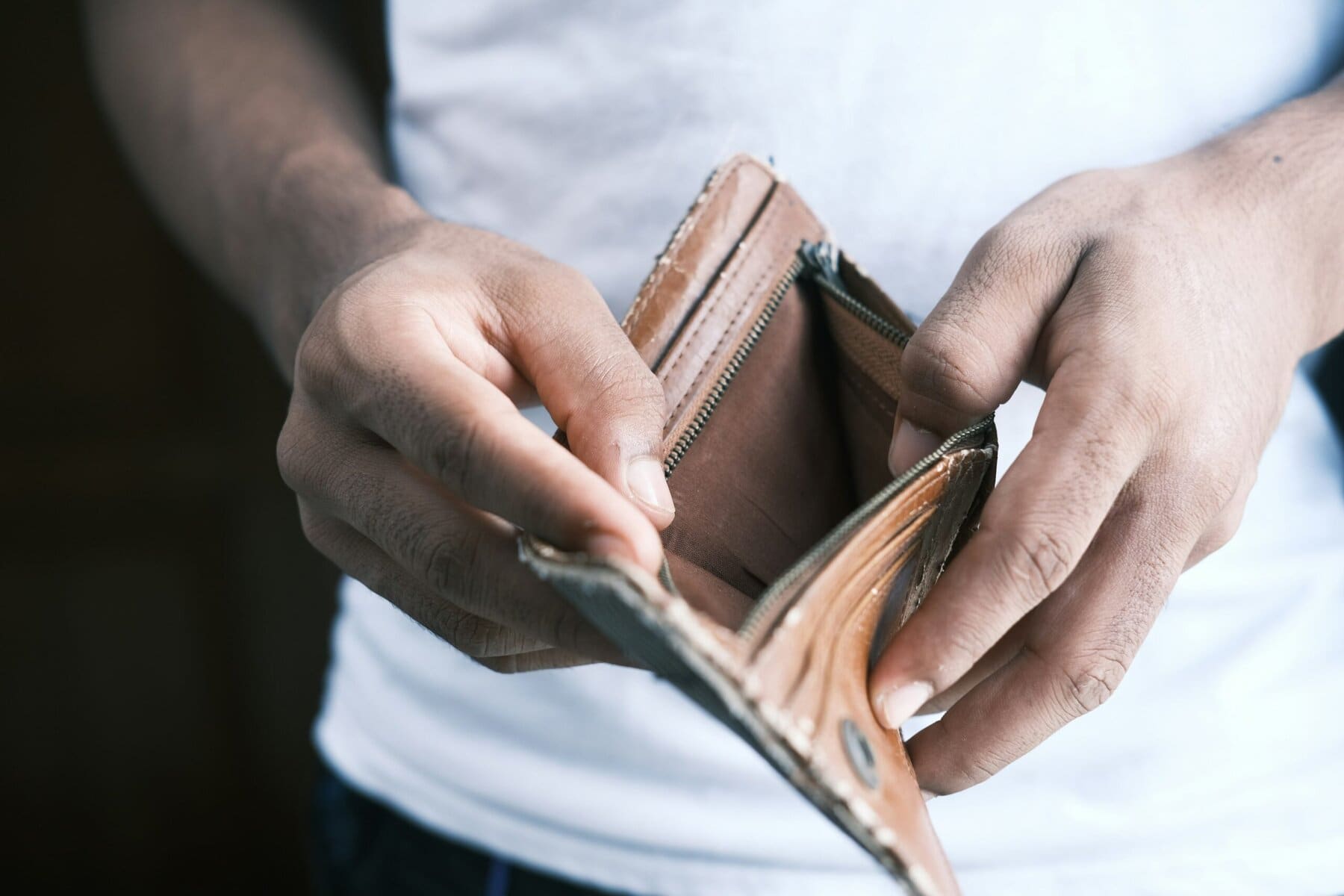
I spent two years needing an emergency fund before I actually saved one.
The delay was not due to a lack of understanding of the concept of saving. Everybody knows you need savings. But knowing and doing are two different things when you are living paycheck to paycheck.
Then my car broke down, and the repair was $740. I put it on a credit card with $83 in my savings and a 22% interest rate. It took me nine months to pay off the balance. It incurred an additional expense of $95, solely due to the absence of $740 in my account.
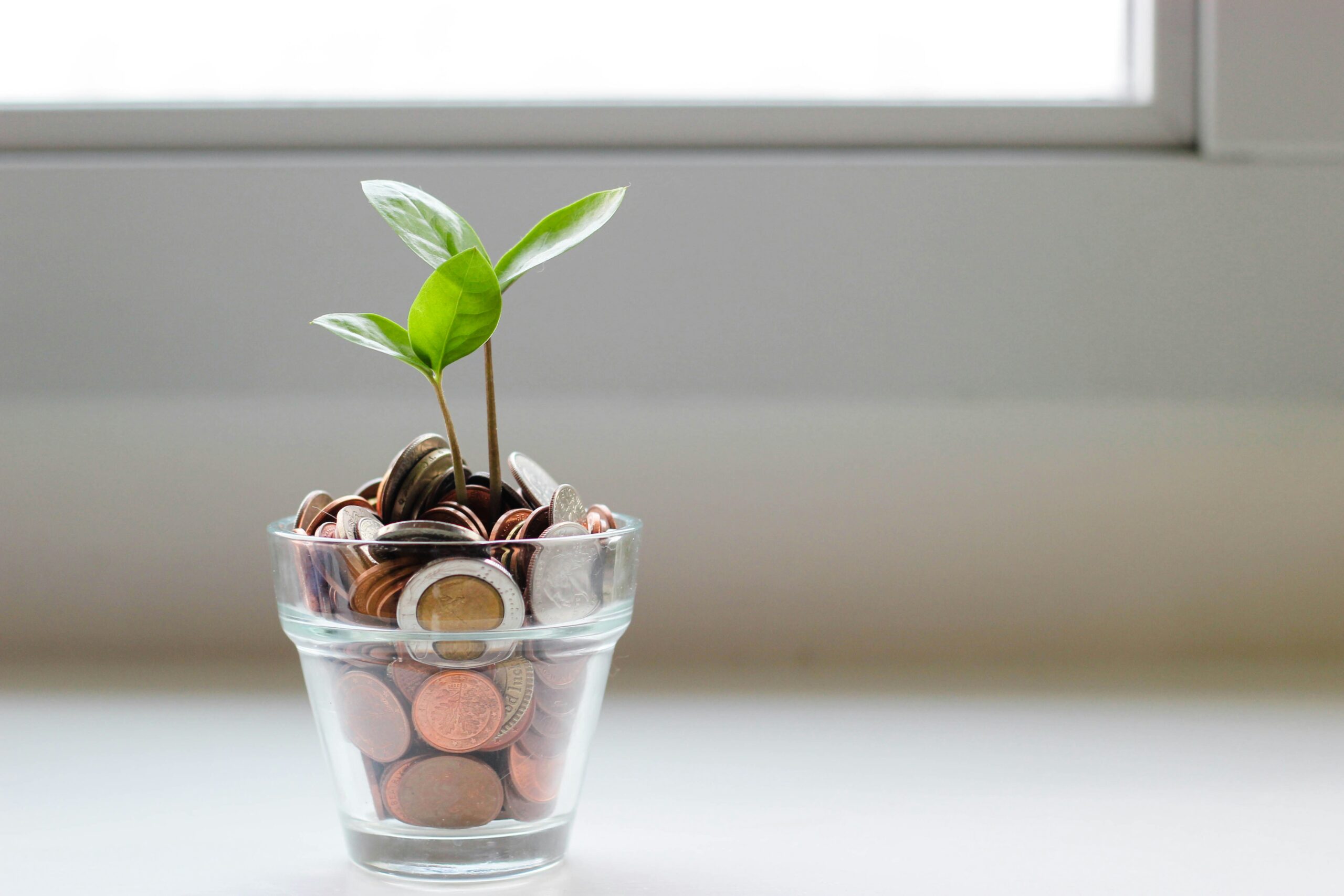
That’s when I really started focusing on building my emergency fund. It took me seven months to save $1000, and it honestly wasn’t fun. But here’s what really helped me focus.
Why did I choose to focus specifically on saving $1,000?
Financial experts should stop advocating that you need to save 3-6 months’ worth of expenses. That’s like $15,000, and that’s a pipedream for most everyone.
When I was earning $2,800 per month and struggling to make ends meet, being advised to save $15,000 was essentially equivalent to suggesting I could reach the moon. It was so demotivating.
So. Forget that number for a second. Your first goal is $1000. Emergencies, like car repairs, vet bills, urgent care visits, and broken appliances, can add up to more than a thousand dollars. These emergencies are not catastrophic in the sense of losing your job, but rather they are regular disasters that can occur on any day of the week.
The difference is annoying versus life-ruining.
Where I Found the Money
The Subscription Purge (Saved Me $67/Month)
I reviewed my bank statements line by line.
- Hulu: $15 (barely used).
- Spotify $12 (switched to free)
- Meditation app: $10 (used it twice)
- Gym membership: $15 (hadn’t gone in three months)
- Cloud storage: $8 (which I didn’t need)
- I also had a subscription to an app I forgot I downloaded, which cost $7.
Total: $67. After cancelling those subscriptions, I saved $469 over the last seven months. I achieved nearly half of my goal.
I’d say I was moderately happy to lose Spotify Premium. But I needed an emergency fund more than I needed ad-free music.
The Spare Change App (Gained $38/Month)
I used one of those apps that round up the purchase to the nearest dollar and save the difference. If you buy a coffee that costs $3.50, it charges you $4 and saves the 50 cents.
It may seem insignificant, but it saved me around $30 to $45 per month, which is a notable amount that I believe most people can spend without keeping track.
In some months, my savings increased if I purchased several inexpensive items.
I don’t want to be the only one benefiting, but when combined with other actions, my efforts did contribute.
I sold items I wasn’t using, which earned me a one-time total of $280.
The old iPhone? $120 on Facebook Marketplace.
Epic clear-out of old games? $85 total.
That exercise bike I used for two weeks? $75.
It’s not repeatable income, but it gave me a big chunk upfront.
Side Hustle, But Make It Realistic (Added $150-200/month)
I didn’t start a dropshipping empire or learn to code. I do DoorDash on Saturday mornings for 4-5 hours.
Made about $45-55 per session and did it 3-4 times a month.
Was it enjoyable? No. But it was temporary, and it worked.
The Tax Refund (One-Time $340)
That year, I received a tax refund of $340. I would’ve “treated myself” to something.
Instead, I used the refund to give a solid boost to the emergency fund. That single deposit got me from $480 saved to $820 saved. This resulted in a significant psychological boost.
What Didn’t Work (Lessons Learned)
Trying to Save “Whatever’s Left”
For the first three months, I tried saving “whatever was left at the end of the month”.
You know what was left? Nothing. Zero dollars. Every single month. No change.
There’s never anything left. That strategy doesn’t work.
Extreme Budgets That Made Me Miserable
I made a concerted effort to minimise my expenses then spent $120 a month on groceries and avoided eating out, coffee, and fun activities.
I endured eleven days before succumbing and spending $45 on takeout due to fatigue from rice and beans.
Being too restrictive just made me rebel against my budget. Moderate sacrifice I could sustain beats extreme sacrifice I couldn’t.
A solid emergency fund is much easier to build when your spending is already organized using a clear budgeting rule.
The System That Finally Worked
Automatic Transfer Day After Payday
Set up automatic transfer. $140 goes to a savings account the day after my paycheck hits.
Not whenever I remember. Not at the end of the month. Automatic, immediately after payday, before I could spend it.
This was the game-changer. Removing the decision made it actually happen.
Separate Savings Account I Couldn’t Easily Access
I opened a savings account at a different bank than my checking. It takes 2-3 days to transfer money back.
That delay stopped me from raiding it for unimportant non-emergencies. I really want this thing to not survive a three-day waiting period. Actual emergencies? I could wait three days or use a credit card temporarily.
Tracking Progress Visually
I created a simple chart with ten boxes, each representing $100; I coloured one box for each $100 milestone.
This may sound childish, but seeing my progress chart was motivating when my account balance didn’t feel motivating.
The Timeline Should Be Really Realistic:
- Months 1-2: Saved $280 ($140 automatic + one-time from selling stuff)
- Month 3: Saved $140 (just the automatic transfer)
- Month 4: Saved $329 (automatic + tax refund hit)
- Month 5: Saved $338 (automatic + started DoorDash side hustle)
- Month 6: Saved $188 (automatic + one DoorDash session)
- Month 7: Saved $190 (automatic + DoorDash)
Total: $1,465 saved
I hit my $1,000 goal during Month 6 but decided to keep my goal as $1,500 for a buffer.
That took 7 months. Not 7 weeks. Not 7 days. 7 months of consistently making small changes.
What Changed After I Had It
The first time I used my emergency fund was 3 months after I saved it, when I needed to get a new tyre that cost $130.
I used the emergency fund to make the payment in cash. I didn’t use a credit card for this purchase. No stress. I simply handled the situation. Then I added $130 to the emergency fund, and that took me a month.
That feeling of, “I’ve got this under control” instead of panic? That’s what makes all of the Saturday mornings spent DoorDashing worth it. An emergency fund is not about the money. It’s about being able to have the luxury of not making rash decisions when something breaks.
If I Were Starting Over Today
I’d do the same things but probably aim for $140-150/month instead of trying to save $300+/month and burning out.
Slow and steady is what gets the job done. Fast and unsustainable methods are simply not the best approach. Set that automatic transfer TODAY. Not Monday. Not next month. Today.
Start somewhere, even if it’s just $50. In seven months, you’ll wish you started today.
I spent two years “planning to start saving” before I actually started saving. Don’t be me. Just start.

Feni. Personal Finance Writer & Budgeting Researcher
Feni focuses on practical budgeting systems, debt reduction strategies, and long-term financial stability. Her work combines real-life experience with research-based financial principles to create sustainable money habits rather than quick-fix solutions.
At ThriftVine, she shares structured, accessible guidance to help individuals build stronger financial foundations and make informed financial decisions.
The information shared on this website is for educational purposes only and should not be considered financial advice. Visit the About the Author page for more information.